Tabletop Trends: Budget busting equipment: how the right gear can help to control your customers’ costs
Budget busting equipment: how the right gear can help to control your customers’ costs
Finding ways to control costs has been one of, if not the biggest theme for the hospitality industry over the last decade. Economic uncertainty, rising ingredient costs, the difficulties of finding and retaining staff and many other factors have been driving many of the decisions made by operators, and which light equipment to choose is no exception.
Light equipment isn’t always the first place operators look when reviewing costs, but it’s often where some of the most practical gains can be made. The combination of choosing the right equipment and integrating minor changes of procedure into kitchen life can have significant cumulative effects which can help to bring down costs in a number of ways.
End users aren’t necessarily looking for the cheapest light equipment any more. As with all foodservice equipment purchases, buying cheap often means buying more than once, as the initial cost savings will be wiped out by having to replace them sooner.
Durability and repairability have moved right up the agenda for many operators, who are looking at the total cost of ownership rather than just the price on the invoice. Small savings can add up over time, so light equipment that supports efficient production can make a big difference in the long term. For example, knives are such foundational pieces of kitchen gear that it makes sense to pick durable options that won’t need replacement or need sharpening more often.
Finding ways to reduce food waste is a focus for every operator. With WRAP estimating that the UK hospitality sector wastes around £3.2bn worth of food each year, a 1% reduction in food waste equates to savings of around £32m annually. Simple changes such as using vegetable preparation machines hugely increases yield, as well as reducing the amount of time staff have to spend doing it.
Using portion control tools and scales takes the guesswork out of cooking, giving more consistent results and cuts down the chances of food being left over. In kitchens, even small over-portioning can add up quickly across a large number of meals. Automated prep and portion management help to reduce food waste, make stock usage more predictable and can improve margins overall. Portioners and scales are relatively low cost purchases but can help to control ongoing ingredient costs easily.
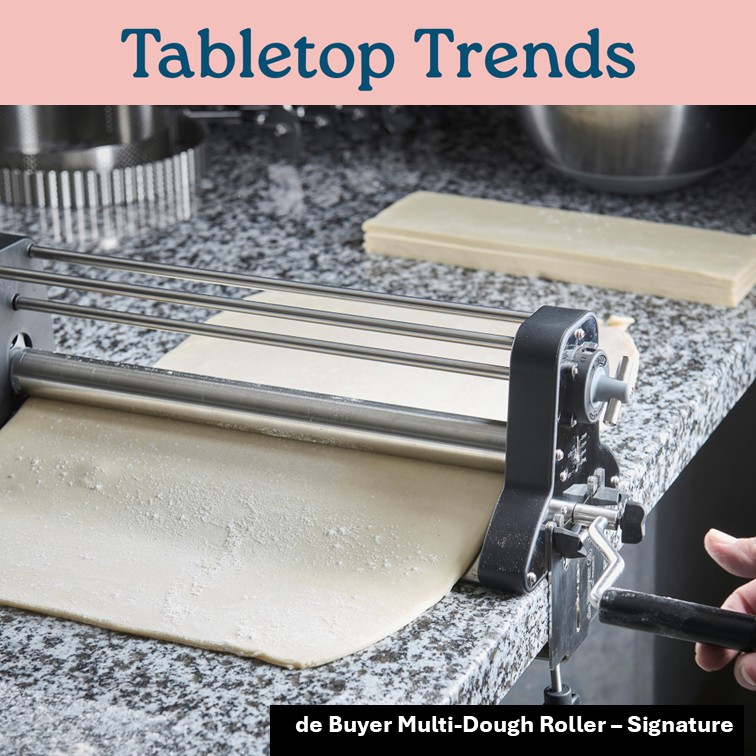
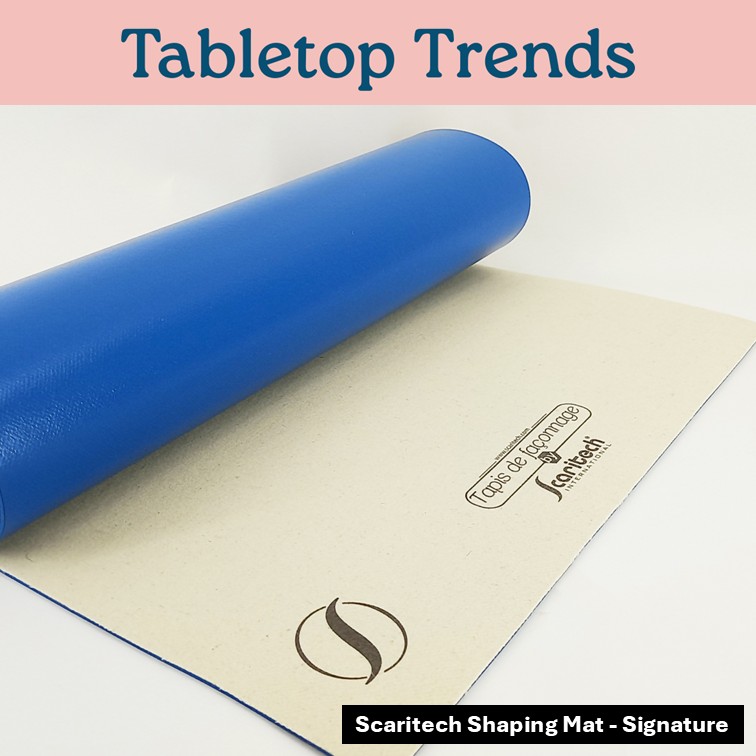
Similarly, dough rollers are an excellent addition to the arsenal of any kitchen preparing its own pastry. As well as saving time these can be used by less skilled staff with no impact on the final results. Combined with specialist shaping boards that don’t require flour these measures are great examples of how the right light equipment can help to introduce the kind of savings that stack up over time.
Efficient and flexible methods of cooking are another key part of controlling costs. Induction equipment is extremely efficient, with over 90% of the energy consumed being transferred into the food. As electric systems only manage around 75% efficiency and gas trailing far behind at 40% the cost effectiveness of induction is clear, and as a bonus it helps to lower the kitchen’s carbon footprint. While this would be reason enough for many operators, once you factor in the decreased heat being pumped into the kitchen and the subsequent reduction of the pressure on ventilation systems the potential for lowering energy bills is a very persuasive reason to make the switch. There are also many portable, plug and play options allowing them to be easily moved to where they’re needed throughout the day, allowing users to quickly adapt. These are also ideal for maximising the output of smaller spaces.
High speed ovens allow similar optimisation of cooking processes, combining microwave and impingement many food types can be cooked or reheated in a fraction of the time of conventional appliances. Many feature powerful filters meaning that, like induction, they have less need to operate in conjunction with ventilation systems, helping to reduce energy consumption. Plus, their ability to store a range of pre-programmed recipes means staff don’t have to manage the cooking process. It’s all about finding the right tool for the job, high speed ovens are good for heating single meals but if you’re cooking lots of one type of food for a particular service then more specialised equipment could be better. For example, preparing toast for a breakfast service is more efficient using a dedicated high speed toaster unit.
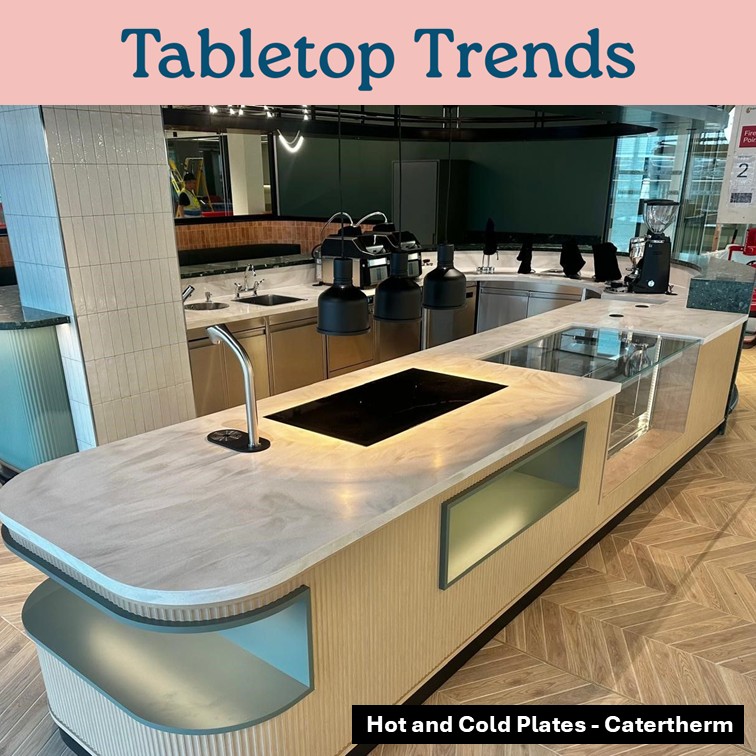
Keeping food in the best condition until needed is another area where technology can help to control costs, particularly for buffet type services. Hot or cold plate systems help to keep food in optimum condition, meaning less wastage and reducing workload for staff having to cook fresh batches sooner than required. Buffet service requires a lot of specialist equipment, which can be costly. Looking for versatile equipment that can be used in different ways can also control costs by reducing the amount of kit needed.
While the focus for cost reduction is often on the main cookline, as we’ve seen light equipment is an area where sweating the small stuff can have huge benefits. Once you start identifying minor ways customers can improve their processes and provide them with the right equipment they will see the benefits over the long term.
Many thanks to the FEA member companies who helped put this article together. Listed below are some of their latest pieces of equipment that help to save costs – check out the carousel above for pics, and click on the company name to visit the website.
Adventys UK
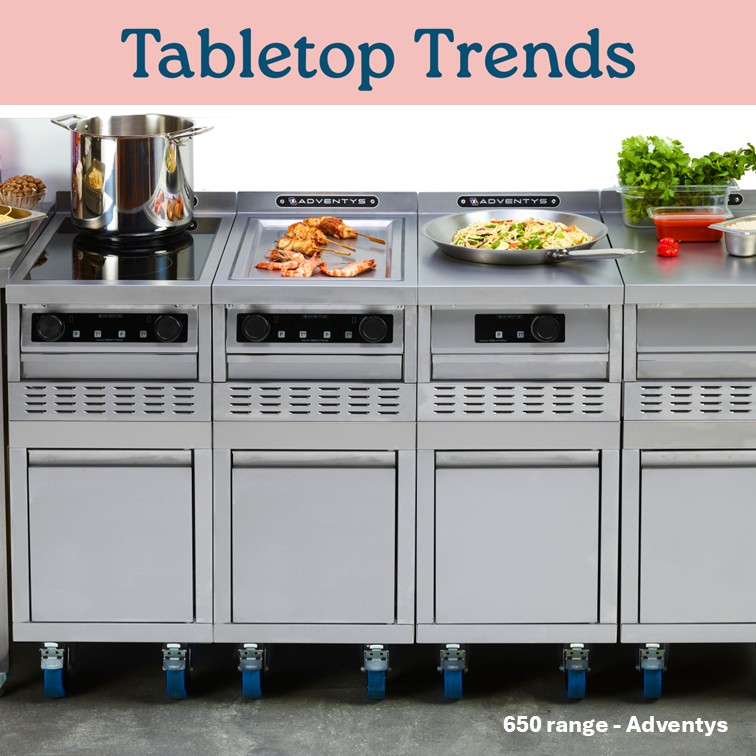
The new space saving modular induction range was launched in 2025, featuring a sleek design to optimise the preparation area without compromising performance. Consisting of hob, plancha and wok models, their 400mm width and 650mm makes them perfect for use in the tightest environments. They can be installed on worktops or on integrated cupboard units, letting establishments create the ideal combination for the available space.
Bonzer (Mitchell & Cooper Ltd)
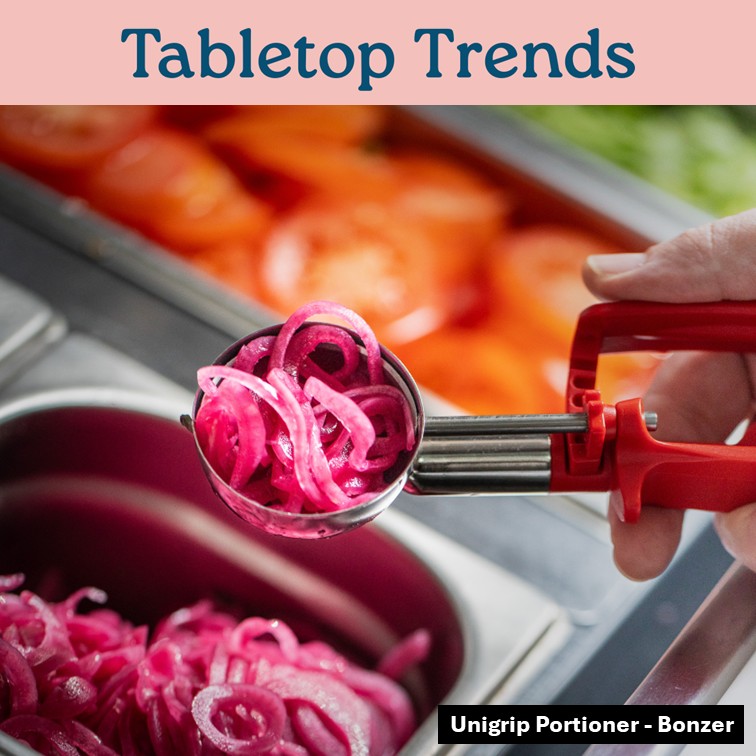
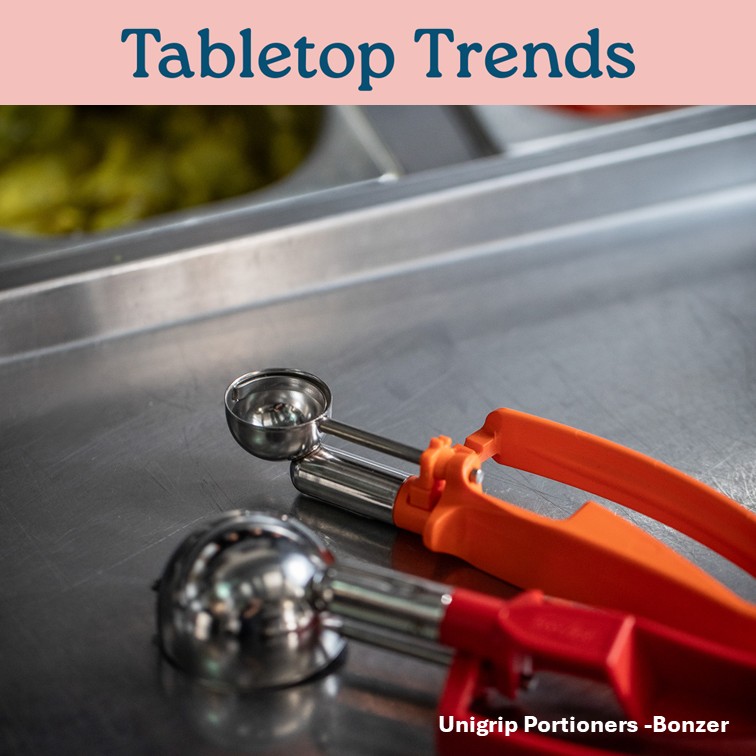
The Bonzer Unigrip portioner is lightweight and ergonomically designed, featuring a food grade stainless steel bowl with an advanced scraper mechanism for quick and easy food release. Designed and built in the UK, it is precise, repeatable and built to take the pressure. They are available in a range of sizes and each size is available in a range of colours, making it easy to specify them to a range of applications.
Catertherm
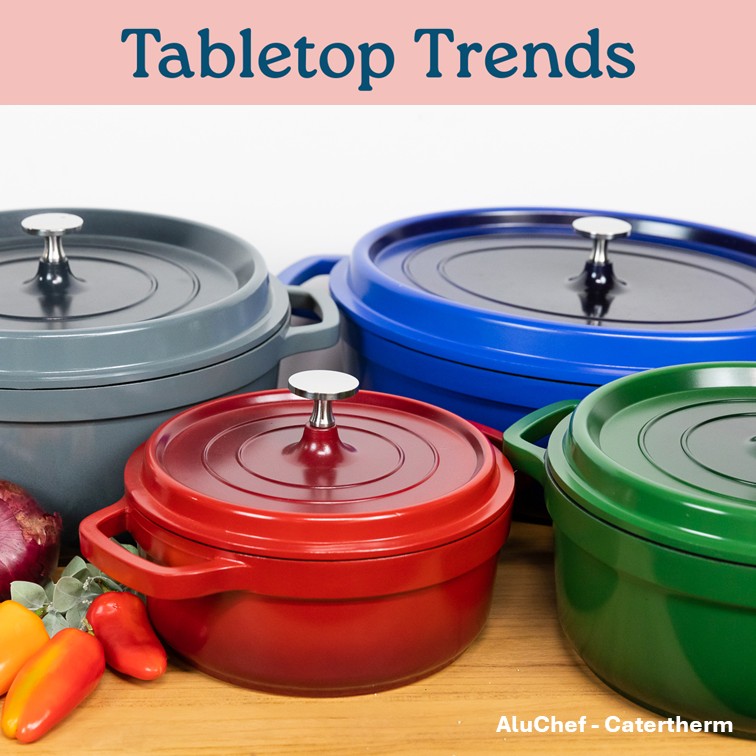
Hot & Cold plates feature accurate temperature control to help maintain food quality throughout service. With efficient heat transfer to avoid unnecessarily high operating temperatures, the consistency and stability help to reduce food waste. Available with a range of premium worktop finishes to suit any project and can be tailored to each operator’s requirements.
Chef Set Ltd
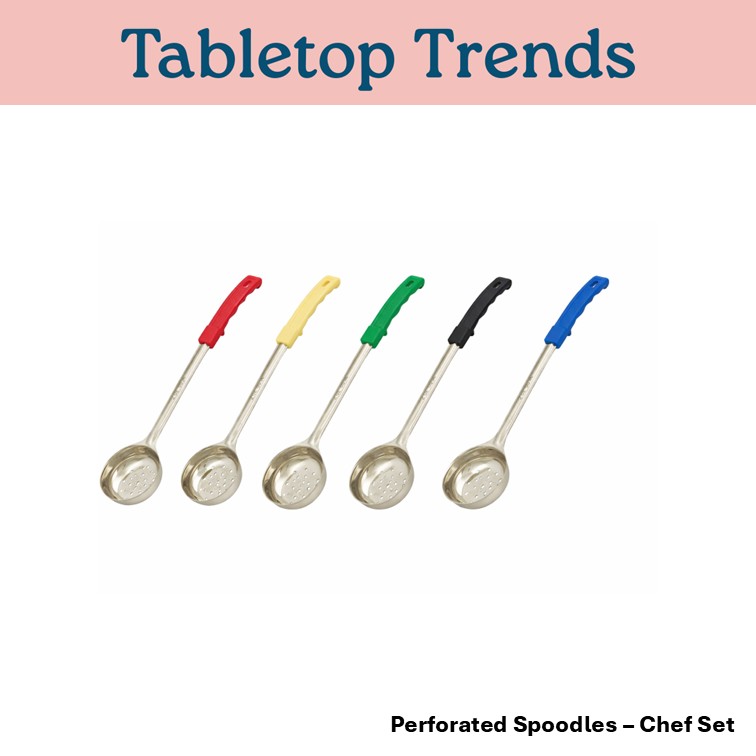
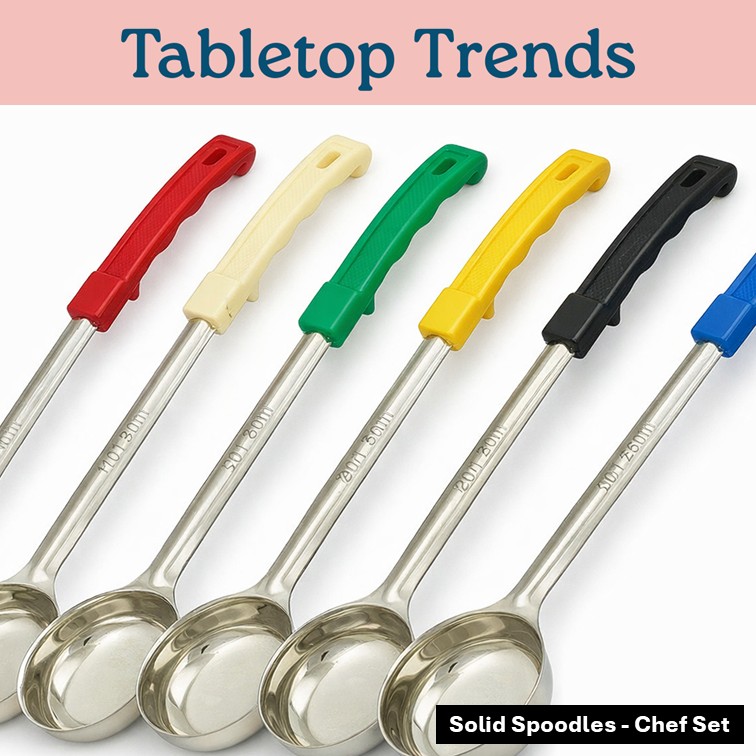
Chef Set’s spoodle range are designed for accurate portion control. Available in five different sizes and colours for easy identification, from 2oz up to 8oz. They are made from high quality mirror finish stainless steel, with easy use handle and thumb grip. Dishwasher safe, they are available in solid and perforated versions.
Dalebrook
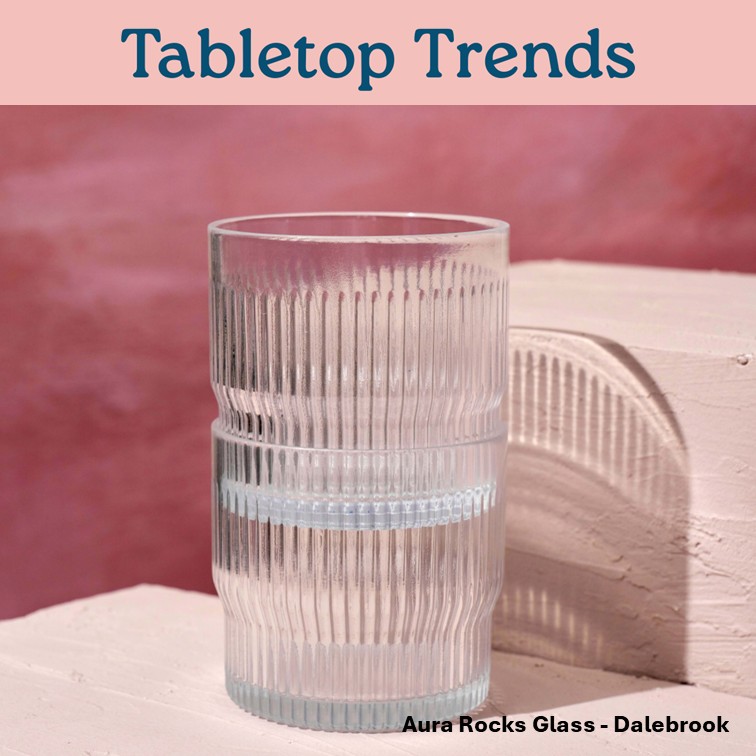
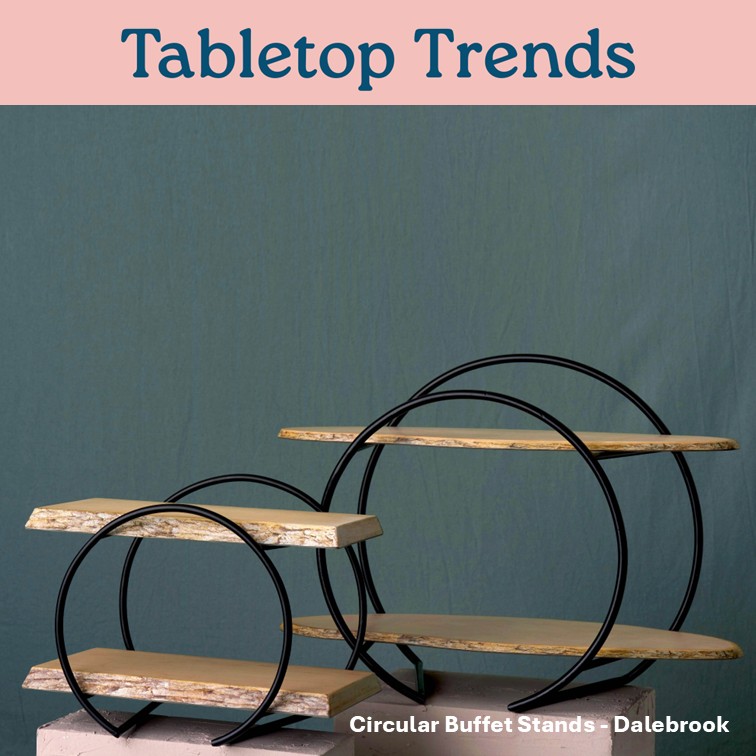
Dalebrook’s circular buffet stand is designed to work across multiple styles of service, for example as a bowl stand for self service or flipped onto its side and paired with platters can be used as a tea stand for afternoon tea. Made from stainless steel means it is easy to handle yet durable. It also stacks within itself, helping to save space when it is stored.
FEM
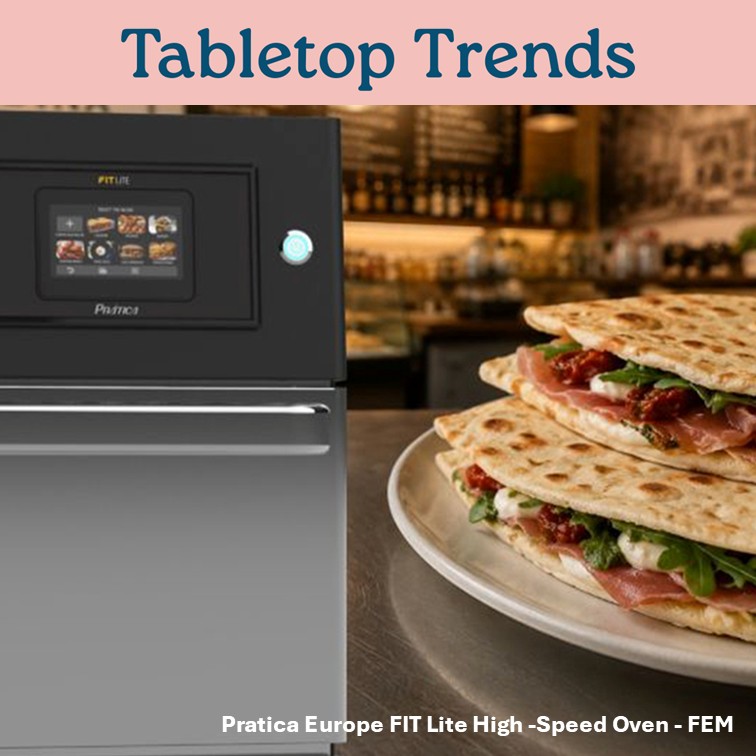
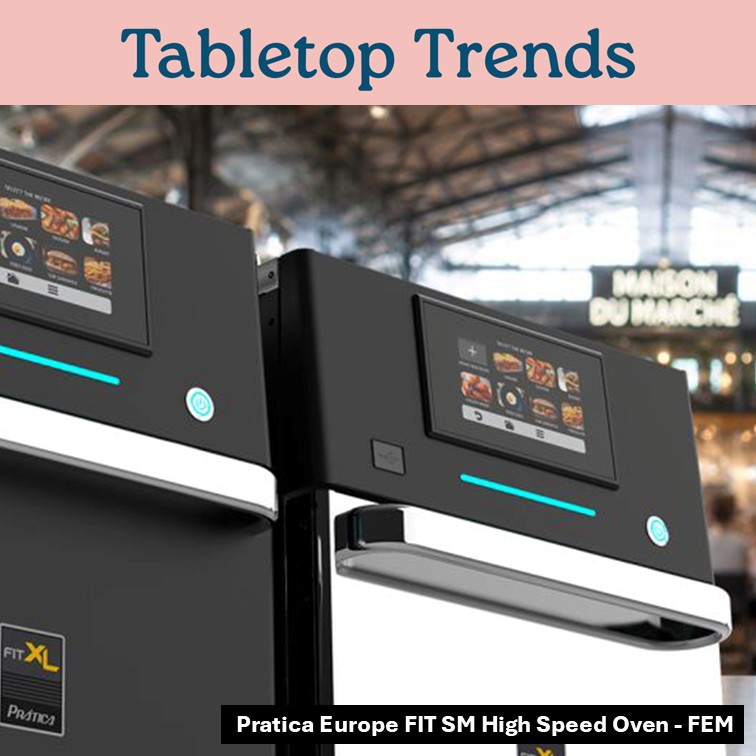
Pratica FIT high speed ovens are designed for busy foodservice environments that want fast, consistent results with improved service times and reduced labour demands. Combining microwave and convection technology, the latest additions to the range include the FIT SM which is ideal for smaller locations looking to add menu flexibility without taking up valuable space, while the FIT Lite is designed for snack led locations that want a simple way to heat or reheat a limited menu with consistent results.
Metcalfe Catering Equipment
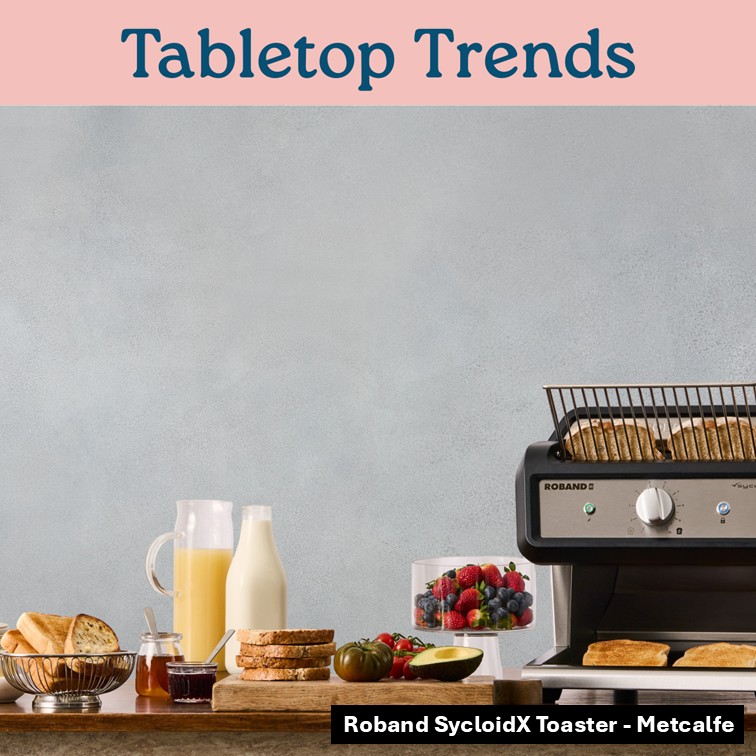
The Sycloid X from Roband is a high speed, energy efficient toaster capable of producing up to 450 slices every hour, with consistent results from a wide range of different breads. The innovative “smart heat” toasting chamber is up to 30-40% more energy efficient compared to similar units from other manufacturers.
Ohaus
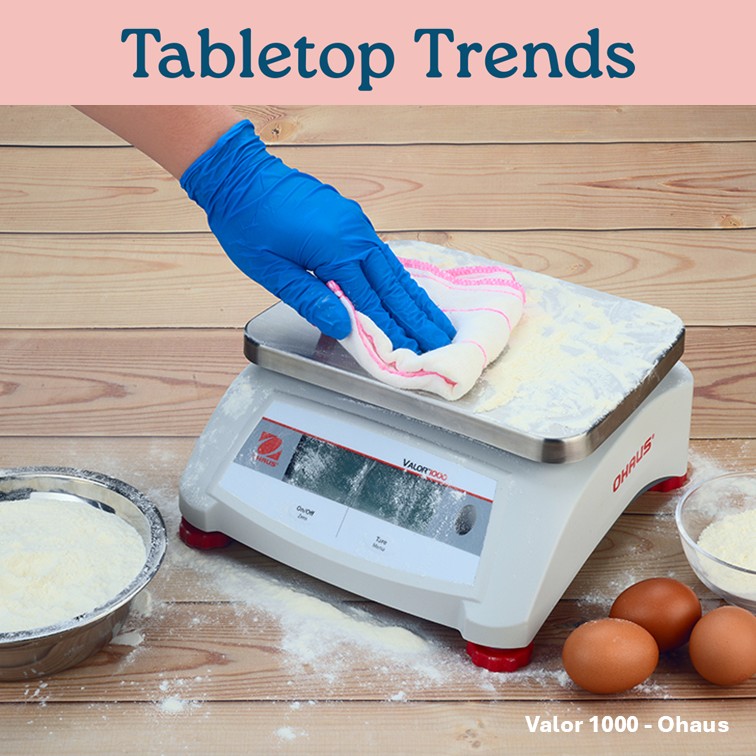
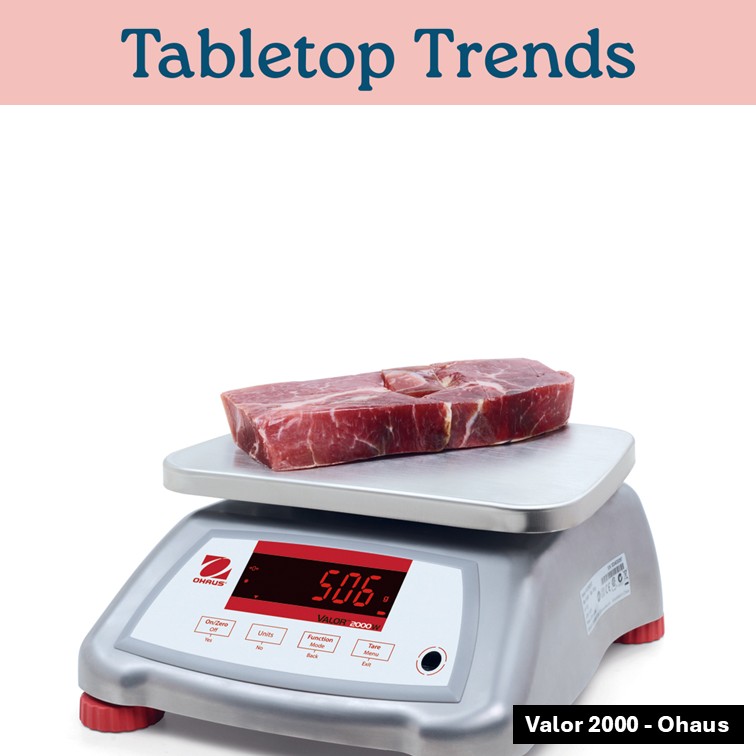
The Valor range are highly accurate scales designed to help caterers reduce costs by delivering quick and accurate weighing for portion control. Simple to use, the Valor 1000 features durable design and intuitive operation. The Valor 2000 is water resistant, making it ideal for use in both dry and washdown environments.
Sammic
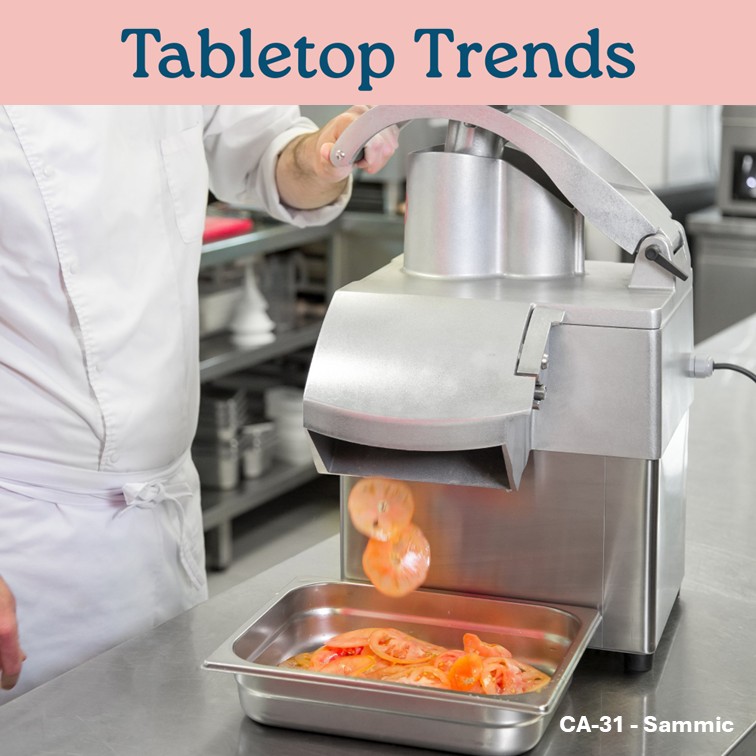
The CA-31 vegetable preparation machine is a compact and versatile unit designed to improve efficiency while reducing demands on labour in busy commercial kitchens. It can slice, grate, shred and dice helping to reduce prep time and increasing productivity. It features a range of accessories such as dicing grids and dedicated cleaning grips, which help to reduce food waste as well as helping to prevent damage caused by incorrect cleaning methods or unsuitable tools.
Signature FSE
The multi dough roller from de Buyer has been designed to produce precise results across all dough types. Its open structure and double ramp ensures smooth and consistent results for even more delicate doughs, and features a customisable thickness setting. This lets it adapt to suit every operators preferences anywhere between 15mm down to 0.3mm.
Victorinox UK
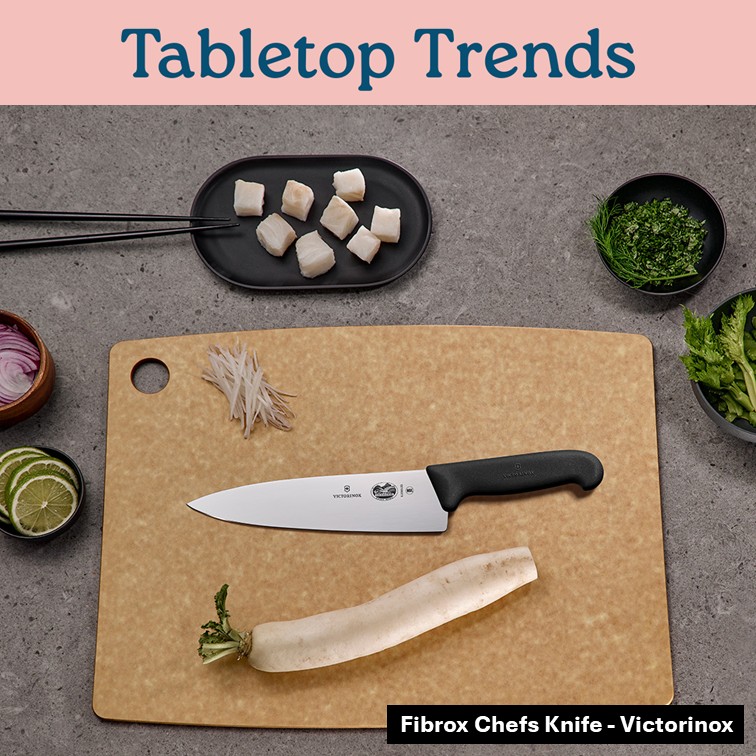
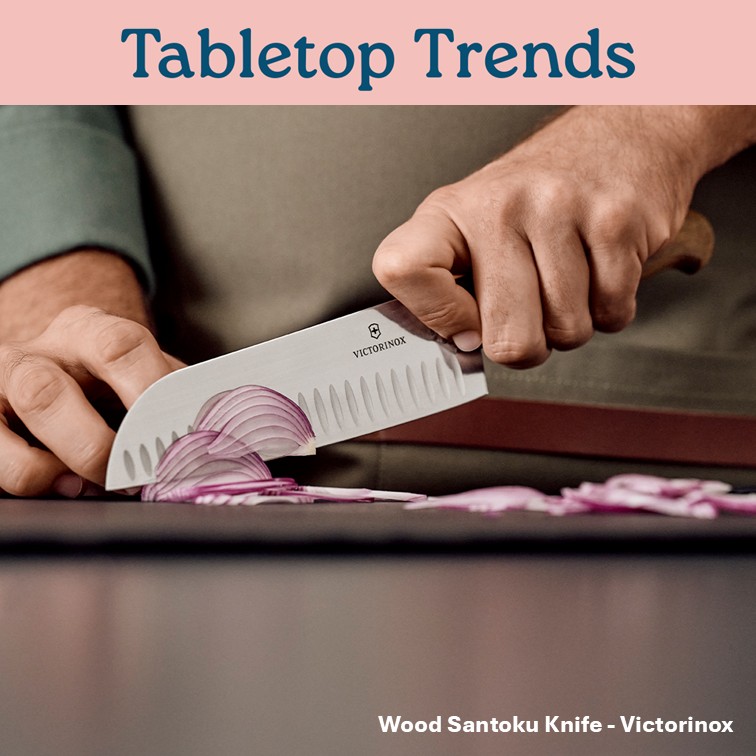
The Fibrox Chef’s Knife is designed to be a reliable workhorse, with excellent edge retention reducing the need for sharpening. With a 20cm blade and non-slip handle, it balances safety and consistent results. Meanwhile the 17cm Santoku knife features a wooden handle. Its reduced weight gives it incredible precision, making it great for more detailed prep work where yield and presentation are key.